By Ruth Green
“Freedom of speech belongs to humans, not to artificial intelligence,” a Polish government minister said in July.
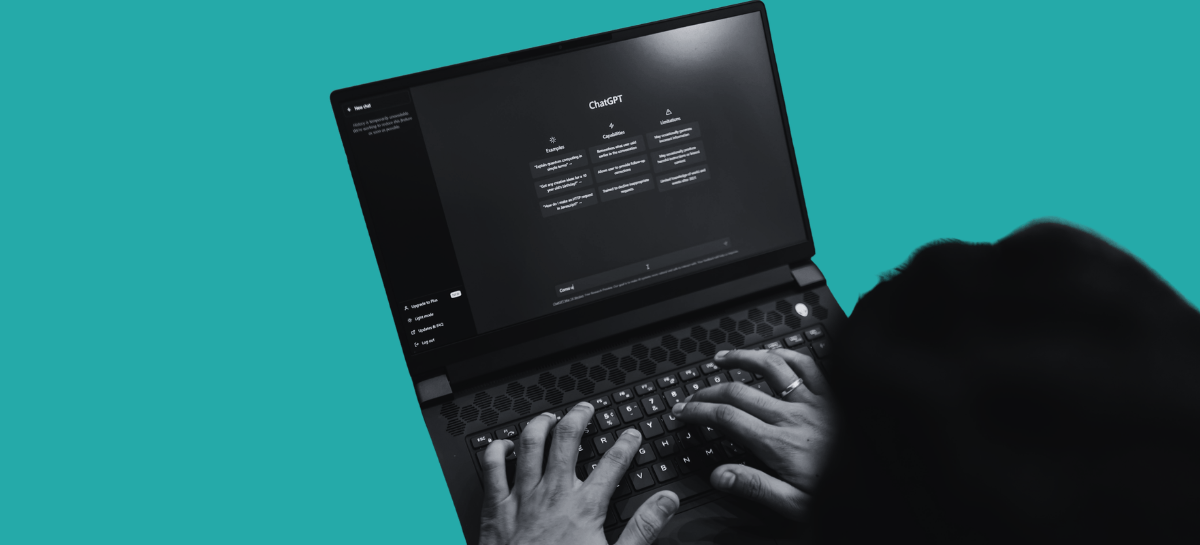
[ . . . ]This concept has been thrown into sharp relief as humans become increasingly reliant on generative AI (genAI) tools for day-to-day tasks and to quench curiosity. This places AI at a potentially problematic intersection between curating what information we have access to and what information we perceive as fact, said Jordi Calvet-Bademunt, a senior research fellow at The Future of Speech at Vanderbilt University in the USA.
He believes this could have significant implications for freedom of thought and freedom of expression.
“More and more of us will be using chatbots like ChatGPT, Claude and others to access information,” he said. “Even if it is just generated by me asking a question, if we heavily restrict the information that I’m accessing we’re really harming the diversity of perspective I can obtain.”
Read More
Jordi Calvet-Bademunt is a Senior Research Fellow at The Future of Free Speech and a Visiting Scholar at Vanderbilt University. His research focuses on free speech in the digital space.