FOR IMMEDIATE RELEASE
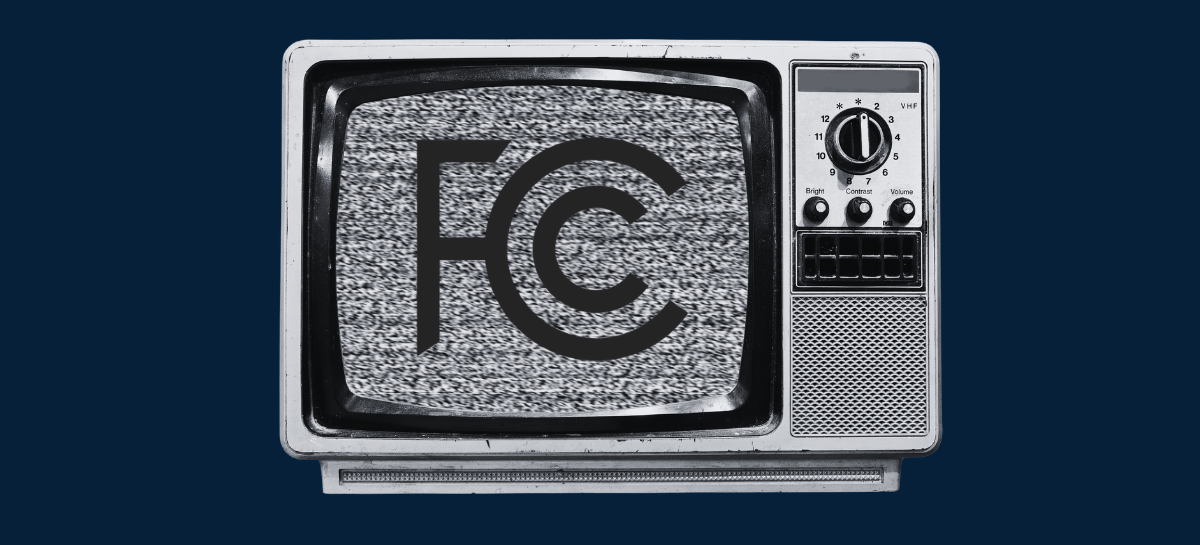
May 21, 2026 — NASHVILLE, Tenn. — The Future of Free Speech has submitted comments to the Federal Communications Commission, warning that a recent FCC inquiry into television programming involving “gender identity themes” and “gender identity issues” raises serious constitutional concerns, including vagueness, viewpoint discrimination, and compelled speech.
The filing responds to an FCC Media Bureau notice seeking comment on whether current television ratings systems should provide additional disclosures related to programming that discusses or presents “gender identity themes.”
“The FCC’s notice is so vague that it is impossible to determine what programming would actually trigger the kind of labeling the agency appears to be contemplating,” said Ashkhen Kazaryan, Senior Legal Fellow at The Future of Free Speech and author of the filing. “That lack of clarity is itself a serious First Amendment problem because it invites arbitrary enforcement and political pressure around protected expression.”
The organization’s filing argues that the FCC departs from the longstanding structure of the television ratings system, which focuses on conduct — such as violence, sexual situations, or explicit language — rather than broad ideological or social themes.
“Existing content descriptors identify actions, situations, or language within a program,” Kazaryan said. “The FCC is now asking whether an entirely different category — so-called ‘gender identity themes’ or ‘issues’ — should receive its own warning label. That creates profound constitutional concerns because no one can clearly define what content would qualify.”
The filing also argues that the FCC’s proposal risks pressuring private media companies and ratings boards to adopt government-preferred messaging on contested social issues. Citing Supreme Court precedents, including NIFLA v. Becerra, NRA v. Vullo, and Bantam Books v. Sullivan, the comments contend that regulators cannot use official proceedings or statutory authority to coerce private entities to stigmatize protected speech.
The comments conclude that if the FCC’s inquiry ultimately amounts to flagging discussions of gender identity or even LGBTQ individuals as content warranting special government-favored warnings, such a policy would constitute unconstitutional viewpoint discrimination.
“The Constitution does not allow the government to stigmatize particular viewpoints or categories of people through regulatory labeling schemes,” Kazaryan said.
LINKS:
ABOUT THE FUTURE OF FREE SPEECH
The Future of Free Speech is an independent, nonpartisan think tank located at Vanderbilt University. The organization works to reaffirm freedom of expression as the bedrock of free and thriving societies through actionable research, empowering tools, and principled advocacy. Learn more at www.futurefreespeech.org or follow along on Facebook, X, and LinkedIn.
CONTACT:

Ajdin Muratovic
Ajdin Muratovic is the Director of Communications at The Future of Free Speech.